How Magnetic Track Lighting Works in Commercial Spaces
Apr 26, 2026
🟡 Magnetic Track Lighting in Real Projects
In modern commercial interiors, magnetic track lighting is no longer just a visual design element.
It has evolved into a functional lighting infrastructure used in hotels, retail stores, galleries, and office spaces where lighting needs to adapt over time.
Unlike traditional fixed lighting systems, modern magnetic track lighting allows fixtures to be repositioned freely along the track. This means the same ceiling system can support different lighting layouts without reconstruction.
In real projects, designers often choose this system when they expect:
frequent product display changes
flexible space zoning
long-term lighting reconfiguration
This is why magnetic track lighting is widely adopted in contemporary commercial architecture.
🟠 Lighting Layout in Commercial Spaces
In commercial lighting design, lighting is rarely placed randomly.
Instead, designers typically divide the space into functional zones:
Display area → focus lighting for products
Circulation area → balanced brightness for movement
Ambient background → soft lighting to support atmosphere
This zoning approach directly affects how the magnetic track lighting system is installed.
The track is usually planned during the early architectural stage, before furniture or display layouts are finalized.
Once installed, lighting heads can be adjusted later according to actual usage.
This flexibility is the key reason why magnetic track lighting installation is preferred in commercial projects where layouts may evolve over time.
🔵 Types of Magnetic Track Light
Different lighting effects require different modules within the same system.
Common types of magnetic track light include:
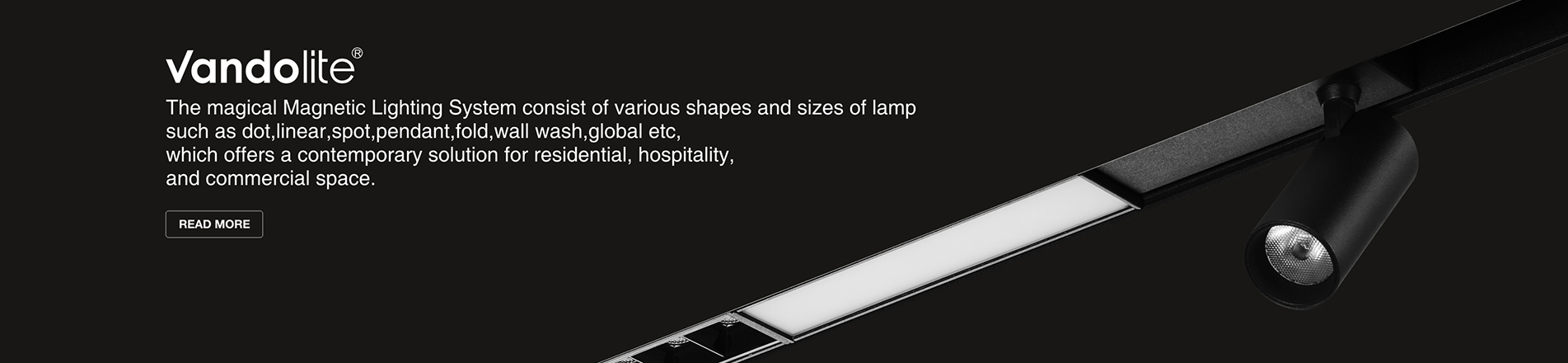
Diffused linear modules → provide soft, continuous ambient lighting
Spot modules → highlight specific products or focal points
Adjustable beam modules → support dynamic lighting direction changes
In higher-end projects, designers may also use ultra thin magnetic track light systems to maintain a minimal ceiling appearance while still achieving layered lighting effects.
Each module serves a different function, but they all work within the same track infrastructure.
🟣 From Product Thinking to System Thinking
In real project sourcing, decision-making rarely starts from a single fixture.
Instead, buyers and developers search in a more system-oriented way, using terms like:
track lighting manufacturer
magnetic track lighting wholesalers
LED magnetic track light suppliers
magnetic track light wholesale
This shift shows an important trend in the industry:
👉 Lighting is no longer seen as a product👉 It is now treated as a complete project system
At this stage, LED magnetic track light becomes part of a larger supply chain that includes design coordination, installation planning, and long-term maintenance.
🔴 Real Installation and Common Questions
During early project planning and installation, engineers often raise practical questions such as:
How stable is magnetic track light installation in long-term use?
What makes magnetic lighting different from traditional track systems?
Can it support complex layouts such as curved or custom-shaped tracks?
These questions are especially common in commercial projects where ceiling design is complex and lighting flexibility is critical.
In practice, the installation quality of the track system directly determines how adaptable the lighting will be in the future.
A well-planned system allows lighting scenes to change without affecting the ceiling structure.
🟢 Where Magnetic Track Lighting Is Used
Today, magnet lighting systems are widely applied in:
retail stores
hotel lobbies
exhibition spaces
office interiors
modern residential projects
The main reason is simple:
👉 A single magnetic track light system can support multiple lighting scenes without rebuilding the ceiling.
As interior design trends continue to move toward minimalism and flexibility, more designers are choosing magnetic track lighting as a long-term lighting infrastructure rather than a temporary solution.
It is not only about achieving good lighting effects, but also about giving spaces the ability to change — whether it is for seasonal displays in retail, new exhibitions in galleries, or rebranding in commercial environments.
In many projects, the lighting system becomes part of the architecture itself, shaping how people experience and perceive the space.
Magnetic track lighting represents a shift in modern lighting design — from fixed illumination to adaptable lighting systems.
It combines functionality, aesthetics, and flexibility in a way that traditional lighting systems cannot easily achieve.
For commercial spaces, this means more than just better lighting. It means a system that can evolve with business needs, design updates, and spatial changes over time.
As a result, magnetic track lighting is no longer just a design option. It has become a practical standard for modern commercial lighting projects.
Read More



 IPv6 network supported